
Guides
Walking, in numbers and in stories.
Average walking speed by age
About 5 km/h (3.1 mph) for adults under 50, easing to about 4 km/h in the seventies. The table by age, from a meta-analysis of 51,248 adults.
Benefits of walking: what the research actually found
Lower risk of early death, heart disease, dementia, diabetes and depression, and lower blood pressure. Each benefit of walking with its number and its study.
Does walking lower blood pressure?
Yes, by about 4 mmHg systolic in a Cochrane review of 73 trials of about 150 minutes a week. What the evidence shows, for whom, and how sure it is.
How long does it take to walk 10,000 steps?
About an hour and a half, from 85 minutes in your twenties to two hours after 80. The time by age and by step rate, and why most people never walk it in one go.
How many calories does 10,000 steps burn?
About 420 calories for a 70 kg (154 lb) adult, from about 330 at 55 kg to 600 at 100 kg. The table by weight, and why your watch may show less.
How many calories do you burn walking a mile?
About 100 calories for a 70 kg (154 lb) adult, from about 80 at 55 kg to 140 at 100 kg. Why pace barely matters, and walking a mile versus running it.
How many miles should you walk a day?
No guideline gives a number of miles. What the research says in steps and minutes, translated into miles, and how sure the studies are.
Is walking good exercise? And does it count as cardio?
Yes, if it is brisk: about 3 mph or 100 steps a minute counts as moderate cardio. What it does for fitness, how to tell, and what it does not cover.
Average walking heart rate: what is normal on a walk?
There is no single average. A brisk walk aims for 50 to 70% of your maximum heart rate, about 90 to 126 beats a minute at 40. The chart by age.
What is brisk walking?
Brisk walking is about 3 mph (4.8 km/h), or 100 steps a minute: fast enough that you can talk but not sing. How to tell, and how much of it counts.
Camino Portugués: the Portuguese Way, central and coastal
From Porto, about 240 km inland or 280 km by the coast; from Lisbon, about 620 km. The two Portuguese routes compared, the Galician stages and the 100 km rule.
How far should a 65 to 70 year old walk every day?
Over 60, the benefit of daily steps levels off at about 6,000 to 8,000, roughly 2.5 to 3.5 miles across a day. What that means and what else counts.
How many steps a day by age?
What children, teens, adults and older adults typically walk, and the steps research links to health at each age, from 6,000 over 60 to 15,000 for kids.
How many steps a day to lose weight?
There is no magic number. What the research finds walking alone does for weight, how many extra steps that takes, and what those steps burn at your weight.
How many steps in 30 minutes of walking?
About 3,000 at a moderate 100 steps a minute, fewer on a stroll and close to 4,000 when you walk fast. What each pace means and how far it takes you.
Japanese walking: the interval walking method, explained
Japanese walking is three minutes fast, three minutes slow, repeated five times. Where it comes from, what the original study found, and how to try it.

Kilimanjaro routes compared: which way up?
Machame, Lemosho, Marangu, Rongai, the Northern Circuit and Umbwe compared: days, scenery, crowds and acclimatisation, and how much to trust the success rates.
What is Nordic walking?
Nordic walking is walking with specially designed poles that work your upper body too. How it works, how much more it burns, and what the research says.
Tai chi walking: what it is and how to do it
Slow, mindful walking on tai chi principles: careful weight shifts, heel first, upright posture. How to do it, and what the research does and does not show.
What is a walking pad?
A walking pad is a small, flat treadmill made for walking, often under a desk. How fast it goes, whether you can run on one, and how it compares to a treadmill.
When was walking invented?
Nobody invented walking, but walking upright has a start date of sorts, 6 to 7 million years ago. The fossils, the oldest footprints, and why we stood up.
Best walking apps 2026
Eight walking apps, from GPS trackers like Strava and Map My Walk to apps that give your walks a goal, like Pokémon GO and The Conqueror. What each one does.
A choose your own adventure app you play by walking
reTrek's quests are branching stories you move through on foot: walk to unlock each chapter, make the calls, and reach one of several endings.
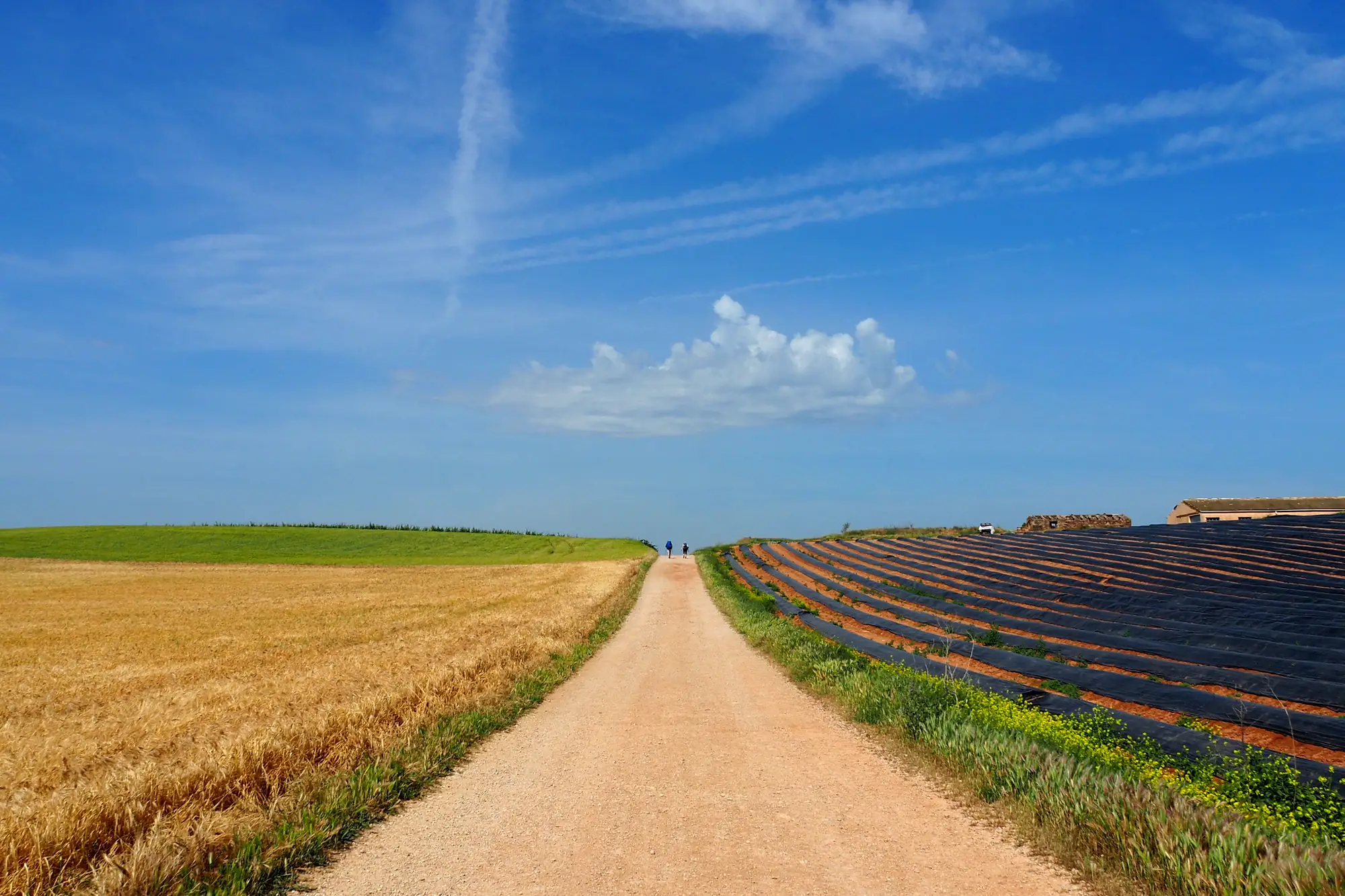
How to train for the Camino de Santiago: a 12-week plan
A 12-week walking plan that builds to 20 km days back to back, why you should never start the Camino in new shoes, and how to train with your pack.
Walking games 2026
Six phone games you play by walking: map games like Pokémon GO and Pikmin Bloom, story games like Zombies, Run!, and journeys you walk step by step.
Walking motivation: how to keep walking when it gets boring
Walking is easy. Doing it every day is not. Three things research says keep people going, and how to build each one into an ordinary walk.
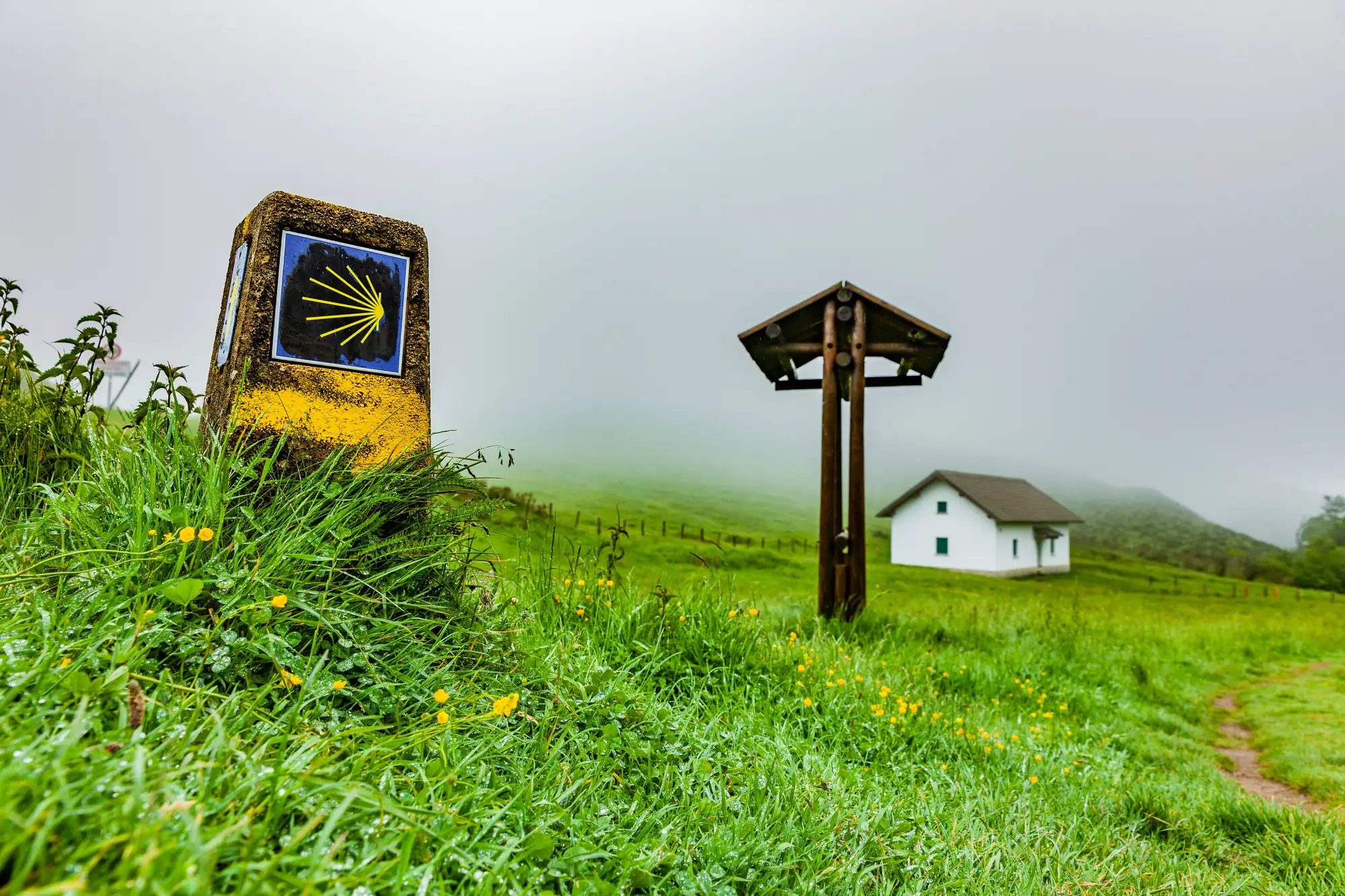
Camino de Santiago routes: which one to walk
Seven Camino routes compared, from the 120 km Ingles to the 1,000 km Via de la Plata: where each starts, how long it takes, and what kind of walk it is.
How long does the Camino de Santiago take?
The Camino Frances is about 784 km and most pilgrims take 30 to 35 days. The maths by daily distance in km, miles, steps and days, on the trail and at home.